
Dental Implant Surgery: Preparation, Procedure, and Recovery Guide
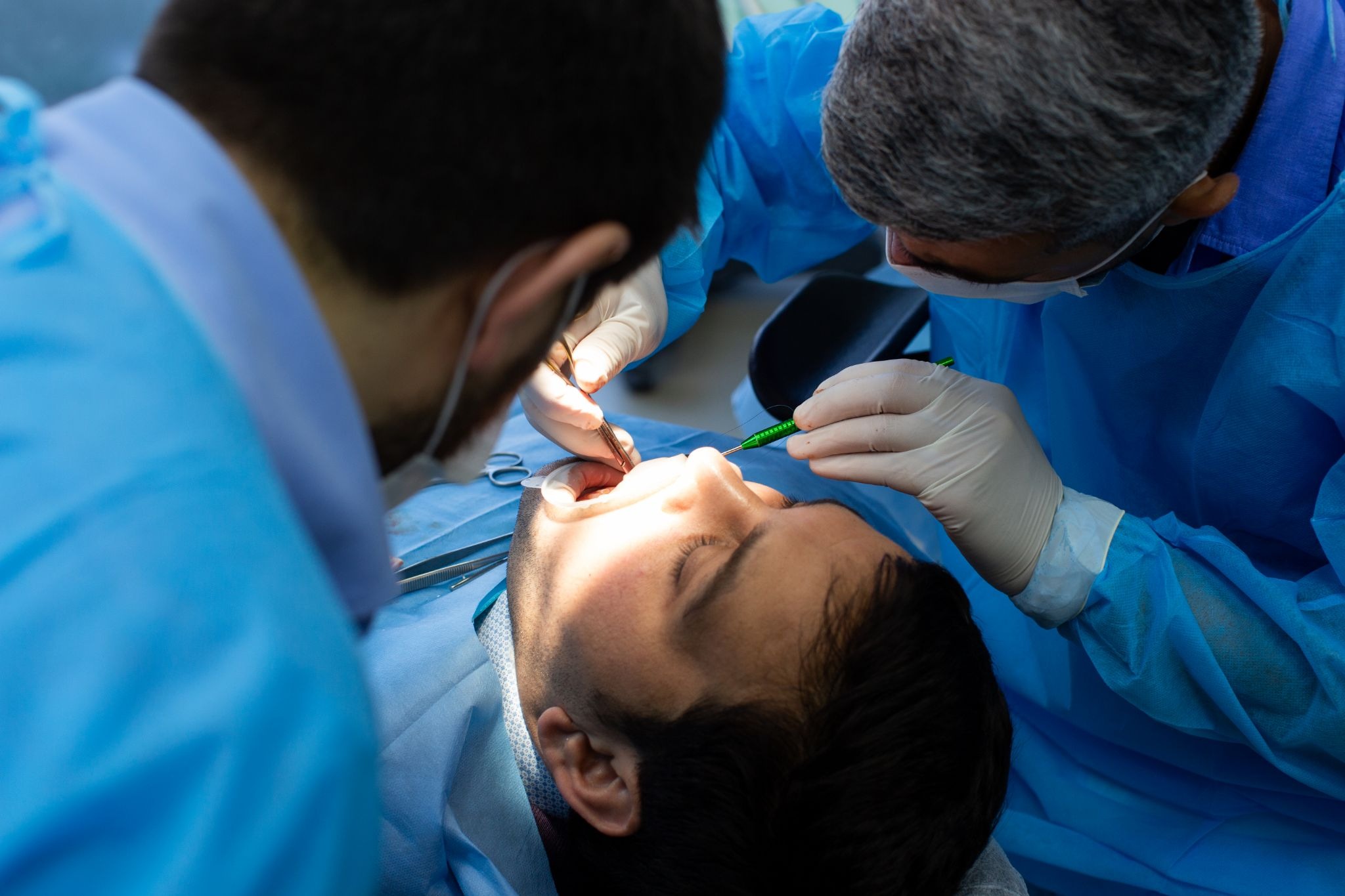
A Dental Implant Surgery procedure can be an important step toward replacing a missing tooth and restoring everyday oral function. Dental Implant Surgery involves placing an implant into the jawbone to provide a stable foundation for a replacement tooth. Before undergoing Dental Implant Surgery, it is important to understand the evaluation process, preparation requirements, implant placement process, and recovery period. Dental Implant Surgery is planned according to factors such as jawbone condition, gum health, medical history, and the location of the missing tooth.
For patients considering dental implants, Lake Sammamish Family Dentistry provides dental care where implant related concerns can be evaluated. Understanding what to expect before treatment can help you prepare for appointments, discuss your questions, and make informed decisions about your oral health.
What Is Dental Implant Surgery?
Dental implant surgery is a procedure used to place a dental implant into the jawbone. The implant typically consists of a biocompatible post that serves as a replacement for the root of a missing tooth.
Once the implant has integrated with the surrounding bone, it can support a restoration such as a dental crown. The complete process may involve several stages rather than being completed in a single appointment.
Dental implants may be considered when a tooth has been lost because of decay, injury, gum disease, or another dental condition. However, not everyone is automatically a candidate. A thorough dental evaluation is necessary before treatment is planned.
Why Is an Evaluation Important Before Dental Implant Surgery?
An evaluation helps determine whether the teeth, gums, and jawbone can support an implant. The dentist may examine the area where the tooth is missing and assess the surrounding structures.
Imaging may also be used to evaluate bone density and identify anatomical structures that could affect implant placement.
Your dental professional may consider:
- The amount and quality of available jawbone
- The condition of your gums
- Existing teeth surrounding the treatment area
- Your overall dental history
- Previous dental procedures
- Medical conditions and medications
- Your bite and chewing pattern
If there is insufficient bone to support an implant, additional treatment may sometimes be considered before implant placement.
How Should You Prepare for Dental Implants?
Preparing for dental implants involves more than simply scheduling the procedure. Your dentist will provide specific instructions based on your treatment plan and health history.
During implant surgery preparation, you may be asked to provide information about medications, allergies, previous surgeries, and existing health conditions. This information can help the dental team plan treatment appropriately.
Before the procedure, it can also be helpful to:
- Follow your dentist's instructions carefully
- Discuss all medications and supplements you take
- Complete recommended dental examinations
- Address active gum disease or tooth infections
- Arrange transportation if sedation is planned
- Prepare soft foods for the recovery period
- Follow any eating or drinking instructions provided before treatment
Do not change or stop prescribed medications unless your healthcare or dental professional specifically instructs you to do so.
What Happens During the Implant Placement Process?
The implant placement process begins after the treatment plan has been established. The area is prepared, and appropriate anesthesia is used to help manage discomfort during the procedure.
The dentist creates access to the jawbone and places the implant in the planned position. The area is then allowed to heal while the implant integrates with the surrounding bone.
This process, known as osseointegration, is an important part of dental implant treatment. It allows the implant to become firmly connected with the jawbone before the final restoration is attached.
The exact steps and treatment timeline can vary depending on the patient's oral health, the number of implants being placed, and whether additional procedures are required.
How Long Does Dental Implant Treatment Take?
Dental implant treatment does not have one standard timeline for every patient. Some people may complete treatment relatively quickly, while others may require several months.
The overall process can involve:
- Initial consultation and examination
- Diagnostic imaging and treatment planning
- Tooth extraction if necessary
- Bone grafting or other preparatory treatment when required
- Implant placement
- Healing and osseointegration
- Placement of the final dental restoration
Patients considering dental implants in Issaquah can discuss their individual treatment timeline with a dental professional.
What Should You Expect After Dental Implant Surgery?
Dental implant recovery begins immediately after the procedure. Some swelling, tenderness, or minor bleeding can occur following implant placement. These effects are generally managed according to the instructions provided by the dental team.
The recovery experience can vary depending on the complexity of the procedure and the number of implants placed.
During the early recovery period, your dentist may recommend:
- Eating softer foods
- Avoiding pressure on the surgical area
- Maintaining careful oral hygiene
- Following prescribed medication instructions
- Avoiding activities that may interfere with healing
- Attending scheduled follow up appointments
It is important to follow the specific instructions provided for your procedure because recovery recommendations can differ between patients.
What Foods Can You Eat During Recovery?
Eating carefully after implant surgery can help avoid unnecessary pressure on the treatment area. Soft foods are often easier to consume during the early recovery period.
Possible options may include yogurt, eggs, mashed vegetables, smoothies, soft pasta, oatmeal, and other foods that require minimal chewing.
Avoid very hard, sticky, or crunchy foods until your dentist confirms that they are appropriate. You should also avoid placing unnecessary pressure on the implant area during the early healing period.
As healing progresses, your dentist can provide guidance on when you can gradually return to your normal diet.
How Can You Maintain Oral Hygiene After Implant Surgery?
Maintaining oral hygiene is important during dental implant recovery, but the surgical area may require special care immediately after treatment.
Your dental professional can explain how to brush and clean around the treatment area without disturbing healing tissues. Depending on your procedure, additional cleaning instructions may be provided.
Good oral hygiene can help maintain the health of the gums and surrounding teeth. Regular dental examinations are also important after the implant has healed.
What Factors Can Affect Dental Implant Recovery?
Several factors can influence the healing process after implant placement. Individual health, oral hygiene, bone quality, gum health, and lifestyle habits can all play a role.
Smoking or tobacco use may interfere with healing and should be discussed with your dental professional. Existing gum disease may also need to be addressed before or during implant treatment.
Following post operative instructions and attending follow up appointments can help your dentist monitor the healing process.
What Are the Possible Benefits of Dental Implants?
Dental implants are designed to replace missing tooth roots and support dental restorations. Depending on the individual situation, they may help restore chewing function and provide a stable foundation for a replacement tooth.
Potential benefits may include:
- Replacing a missing tooth
- Supporting a dental crown
- Restoring chewing function
- Helping maintain the structure of the jawbone
- Providing a stable alternative to some removable restorations
- Supporting the appearance of the smile
The suitability and expected outcome depend on individual dental and health factors.
What Should You Know About Dental Implant Surgery Risks?
As with any surgical procedure, dental implant surgery has potential risks. These can include infection, bleeding, swelling, discomfort, damage to surrounding structures, implant failure, or problems with healing.
Your dentist can explain the potential risks based on your specific situation. Following preparation and recovery instructions can also help reduce avoidable complications.
Contact your dental provider if you experience unusual or worsening symptoms after surgery. Severe pain, significant swelling, persistent bleeding, fever, or other concerning symptoms should be evaluated promptly.
When Should You Seek Emergency Dental Care?
Not every dental problem requires emergency treatment, but certain symptoms should receive prompt attention. Severe dental pain, significant facial swelling, uncontrolled bleeding, or dental trauma may require urgent evaluation.
If an urgent problem occurs before or after implant treatment, emergency dental care in Issaquah can provide information about situations that may require immediate dental attention.
If you are unsure whether your symptoms require urgent care, contact your dental provider and explain what you are experiencing.
How Can You Prepare for Your Follow Up Appointments?
Follow up appointments allow your dentist to monitor healing and evaluate the implant as treatment progresses. These appointments are an important part of the overall implant process.
During follow up visits, the dental team may assess the surgical area, check the condition of the implant, and determine whether healing is progressing as expected.
Keep track of any symptoms or changes you notice between appointments. Questions about discomfort, eating, cleaning, or the treatment timeline can be discussed during these visits.
What Questions Should You Ask Before Implant Surgery?
Understanding your treatment plan can help you prepare for the procedure. Before Dental Implant Surgery, consider asking:
- Why is an implant recommended for my situation?
- Do I need any additional procedures before implant placement?
- How long is my expected treatment timeline?
- What should I do before surgery?
- What should I expect during recovery?
- How should I care for the implant after surgery?
- What symptoms should prompt me to contact the dental office?
Clear communication with your dental professional can help you understand the procedure and what will be expected throughout treatment.
Final Thoughts
Dental Implant Surgery involves careful planning, implant placement, healing, and restoration. Before treatment begins, an evaluation can determine whether your jawbone, gums, and surrounding teeth are suitable for an implant.
Preparing for dental implants includes discussing your medical and dental history, following pre treatment instructions, and understanding the expected recovery process. After placement, proper oral hygiene, appropriate nutrition, and follow up appointments can support the healing process.
If you have questions about dental implant treatment, implant surgery preparation, or your expected recovery, Contact us to discuss your concerns and learn more about the next steps.
Frequently Asked Questions
Q1. Is Dental Implant Surgery painful?
Dental Implant Surgery is performed using appropriate anesthesia to manage discomfort during the procedure. Some tenderness, swelling, or soreness may occur afterward as part of the normal recovery process.
Q2. How long does dental implant recovery take?
Recovery varies between patients and depends on factors such as the number of implants, bone health, overall health, and whether additional procedures are needed. Complete treatment may take several months because the implant needs time to integrate with the jawbone.
Q3. What should I eat after dental implant surgery?
Soft foods such as yogurt, eggs, oatmeal, mashed vegetables, and soft pasta may be easier to eat during the early recovery period. Your dentist can provide specific dietary instructions based on your procedure.
Q4. Can anyone get dental implants?
Not everyone is automatically a candidate for dental implants. Adequate bone support, healthy gums, and suitable overall oral health are important considerations. Additional procedures may sometimes be needed before implant placement.
Q5. When should I contact my dentist after implant surgery?
Contact your dentist if you experience severe or worsening pain, significant swelling, persistent bleeding, fever, or other unusual symptoms. Prompt evaluation can help determine whether additional care is necessary.