
How to Heal Faster After Dental Implant Surgery
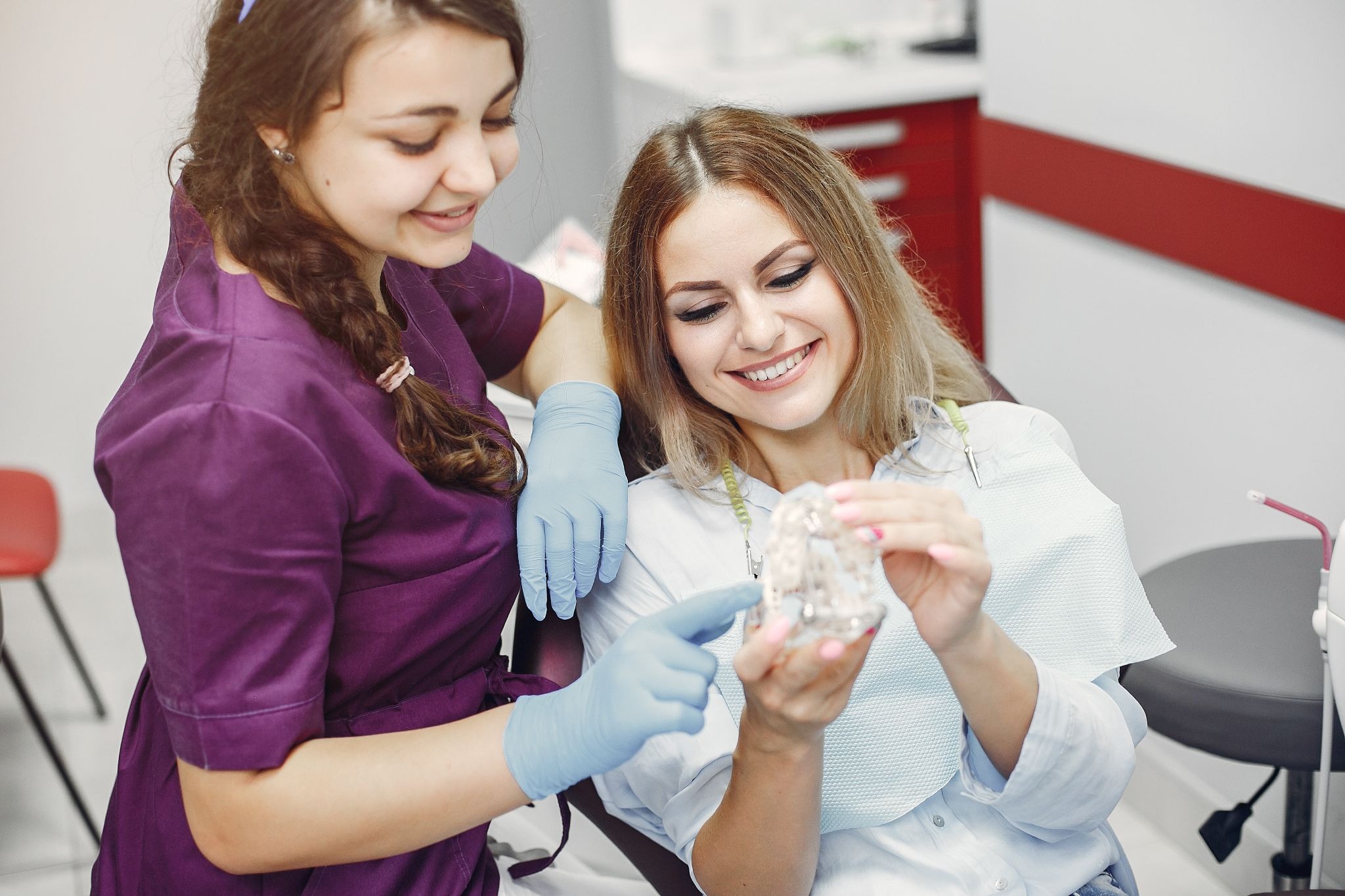
Dental Implant Placement is an important step in restoring a missing tooth, but what happens after the procedure plays a major role in the healing process. Dental Implant Placement involves positioning a titanium implant into the jawbone, where it gradually integrates with the surrounding bone. Because the gums and underlying tissues need time to recover, following appropriate aftercare instructions can help support comfortable healing.
Dental Implant Placement does not usually mean that recovery happens overnight. Dental Implant Placement requires the body to heal around the implant before the final restoration is completed. Understanding dental implant recovery, recovery after dental implants, and healing after implant surgery can help you know what to expect and how to care for your mouth during each stage.
For patients considering or recovering from treatment, Lake Sammamish Family Dentistry provides information about dental care and implant treatment in Issaquah.
What Happens During Dental Implant Recovery?
After dental implant placement, your body begins repairing the tissues around the surgical site. The first few days generally involve the most noticeable swelling, tenderness, or minor bleeding. These symptoms often improve gradually as the tissues begin to heal.
The implant itself is beneath the gum tissue, so the healing process involves more than just the surface of the gums. The jawbone must gradually bond with the implant through a process called osseointegration. This biological process is essential for creating a stable foundation for the replacement tooth.
The exact dental implant healing time varies from person to person. Factors such as overall health, bone quality, the number of implants placed, and whether additional procedures were performed can affect recovery.
Follow Your Dentist's Aftercare Instructions
One of the most important parts of post implant care is following the instructions provided by your dental professional. Your instructions may vary depending on the complexity of the procedure and your individual needs.
After dental implant placement, you may be advised to:
- Take prescribed or recommended medications as directed.
- Avoid disturbing the surgical area with your tongue or fingers.
- Follow specific instructions for brushing and cleaning.
- Eat softer foods while the area is sensitive.
- Avoid strenuous activity for the period recommended by your dentist.
- Attend follow up appointments to monitor healing.
Following these instructions consistently can reduce unnecessary irritation and help the surgical site heal properly.
Manage Swelling and Discomfort
Some swelling and tenderness are common after implant surgery. Swelling may become more noticeable during the first couple of days before gradually decreasing.
Applying a cold compress to the outside of the cheek during the early recovery period may help reduce swelling. Use the compress according to your dentist's recommendations and avoid placing ice directly against the skin.
If medication is recommended for discomfort, take it according to the provided instructions. Do not exceed the recommended dosage or combine medications unless your dental professional has confirmed that doing so is appropriate.
Contact your dentist if pain becomes significantly worse instead of gradually improving, particularly if it occurs several days after surgery.
Maintain Good Oral Hygiene
Keeping your mouth clean is an important part of implant aftercare. However, the surgical area may require special care immediately after treatment.
Your dentist may recommend avoiding direct brushing around the implant site for a short period. You may also receive specific instructions regarding rinsing or using a prescribed oral care product.
Once your dentist confirms that normal brushing can resume, maintaining consistent oral hygiene is essential. Gently clean the teeth around the implant and follow any special cleaning instructions provided during your appointments.
Good oral hygiene helps reduce the accumulation of bacteria around the healing tissues and supports long term oral health.
How Can You Support Long Term Implant Health?
Recovery is only the beginning of maintaining a dental implant. Once the implant has fully healed and the restoration has been placed, consistent oral care remains important.
Long term care may include:
- Brushing twice daily with appropriate technique.
- Cleaning between teeth and around the implant.
- Attending routine dental examinations.
- Following professional cleaning recommendations.
- Avoiding habits that could damage the restoration.
- Reporting unusual changes around the implant promptly.
Dental implants should be treated as part of your overall oral health routine. Healthy gums and surrounding teeth contribute to maintaining a stable and functional smile.
Patients who are also exploring cosmetic options can learn about cosmetic teeth veneers and how different restorative and cosmetic treatments address different dental concerns.
Avoid Smoking During Recovery
Smoking can interfere with the body's ability to heal. Tobacco exposure can affect blood flow and may increase the risk of complications following oral surgery.
For this reason, avoiding smoking during the healing period is an important part of post implant care. Your dentist can provide specific guidance about how long you should avoid smoking based on your procedure and healing progress.
If you use tobacco regularly, discussing this with your dental professional before implant treatment can help you understand how it may affect recovery.
Limit Strenuous Physical Activity
Rest is particularly important during the early stages of healing. Intense exercise or heavy physical activity can increase blood pressure and may contribute to discomfort or bleeding around the surgical site.
Your dental professional can tell you when it is appropriate to return to exercise. In many cases, light daily activities can be resumed sooner than strenuous workouts.
Pay attention to how your body responds. If an activity causes increased throbbing, bleeding, or discomfort, stop and contact your dentist if the symptoms persist.
Understand the Dental Implant Healing Time
Dental implant recovery happens in stages rather than following one fixed timeline.
During the first few days, swelling and tenderness are generally the primary concerns. Over the following weeks, the gums continue to heal while the implant remains beneath the surface.
The deeper process of osseointegration may take several months. This is why the final restoration is not always attached immediately after implant placement.
Your dental implant healing time may also be longer if you require bone grafting or other preparatory procedures. Your dentist can evaluate your healing progress during follow up visits and determine when the next stage of treatment is appropriate.
Know the Signs of Normal Healing
Understanding what is normal can make recovery less stressful. Mild discomfort, swelling, sensitivity, and minor bleeding may occur shortly after surgery.
As healing progresses, these symptoms should generally improve rather than become increasingly severe.
Contact your dental professional if you experience concerning symptoms such as:
- Severe or worsening pain
- Persistent or heavy bleeding
- Significant swelling that continues to increase
- Fever or other signs of infection
- Pus or unusual drainage
- Difficulty breathing or swallowing
- An implant that feels loose
Prompt professional evaluation can help identify potential complications and determine whether additional treatment is necessary.
Protect the Implant While It Heals
Even though a dental implant is designed to provide a stable foundation for a replacement tooth, it still needs protection while the surrounding bone heals.
Avoid chewing hard foods directly over the surgical area until your dentist confirms that it is safe. Do not use the implant site to bite hard objects or open packaging.
Following these precautions gives the implant and surrounding bone time to develop the stability needed for the final restoration.
Patients interested in understanding the broader treatment process can learn more about permanent dental implants in Issaquah and the factors involved in implant treatment.
Keep Your Follow Up Appointments
Follow up visits are an important part of implant aftercare. Your dentist uses these appointments to evaluate the gums, monitor the implant, and determine whether healing is progressing as expected.
These visits also provide an opportunity to discuss any discomfort or concerns you have experienced during recovery.
Do not skip scheduled appointments simply because the surgical area feels better. Some parts of implant healing occur below the gumline and cannot be evaluated based only on how the area feels.
Final Thoughts on Recovery After Dental Implant Placement
Dental implant recovery requires patience because the healing process continues well beyond the first few days. Proper post implant care, good oral hygiene, a suitable diet, adequate rest, and regular follow up appointments can all support the healing process.
The dental implant healing time differs between individuals, so it is important not to compare your recovery directly with someone else's experience. Your dentist can assess your progress and provide personalized guidance throughout each stage.
If you have questions about post implant care, implant aftercare, or your expected recovery, Contact us to discuss your concerns and learn more about the next steps.
Frequently Asked Questions
Q1. How long does dental implant recovery take?
Initial discomfort and swelling may improve within several days, but complete healing takes longer. The implant may require several months to fully integrate with the jawbone before the final restoration is placed.
Q2. What can I eat after dental implant placement?
Soft foods such as yogurt, scrambled eggs, oatmeal, mashed potatoes, and soft pasta may be easier to eat during early recovery. Follow your dentist's dietary instructions and gradually return to regular foods as healing progresses.
Q3. Can I brush my teeth after implant surgery?
You may be able to brush areas away from the surgical site shortly after treatment, but your dentist may recommend avoiding direct brushing around the implant temporarily. Follow the specific oral hygiene instructions provided after your procedure.
Q4. How can I make healing after implant surgery more comfortable?
Following aftercare instructions, resting, choosing soft foods, maintaining appropriate oral hygiene, avoiding smoking, and limiting strenuous activity can support a more comfortable recovery.
Q5. When should I contact my dentist after dental implant placement?
Contact your dentist if you experience severe or worsening pain, persistent bleeding, increasing swelling, fever, unusual drainage, or a loose implant. Prompt evaluation can help address potential complications.